
Nigeria’s logistics industry has seen remarkable growth in recent years, driven by increasing demand for delivery services, e-commerce, and the movement of goods across the country.
Whether you’re an individual or a business needing transportation solutions, choosing the right logistics company and understanding the associated costs is crucial.
In this article, we will delve into the costs of hiring logistics companies in Nigeria, exploring the factors that influence these costs, and offering practical advice on how to get the best value.
Table of Contents
If you’re looking for a reliable logistics provider, you can explore options on VisCorner, a trusted platform for finding quality logistics services in Nigeria.
Factors Influencing the Cost of Logistics Services in Nigeria
Distance and Location
The cost of logistics services is largely driven by the distance between the pickup and delivery points. For short-distance deliveries within major cities like Lagos, Abuja, or Port Harcourt, prices may be more competitive due to higher demand and competition among logistics companies. However, long-distance deliveries between states or to remote areas typically incur higher costs.
Type of Goods Being Transported
Different goods require different levels of care, which affects pricing. Fragile, perishable, or hazardous goods may require special packaging, handling, and transport (e.g., refrigerated trucks), leading to higher costs compared to transporting standard items like non-perishable products or furniture.
Type of Services Needed
The type of service you require also plays a significant role in pricing. Options include:
- Courier Services : Affordable for small items and documents within a city.
- Freight and Cargo Services : Suitable for large shipments that may be transported by road, sea, or air.
- Warehousing : Some companies offer storage solutions in addition to transportation, which can increase the overall cost.
Each service type caters to specific logistics needs, with varying price points depending on the complexity and volume of goods involved.
Vehicle Type
The kind of vehicle required for the transport of your goods also influences the price. Smaller vehicles such as motorcycles or vans for urban deliveries are typically cheaper than larger trucks or specialized vehicles like temperature-controlled vans, which are more expensive due to the nature of their operation and maintenance.
Time Sensitivity and Delivery Speed
Urgent deliveries, such as same-day or next-day shipments, usually attract higher prices than standard delivery times. If you need an express service, expect to pay a premium for the convenience.
Peak Seasons and High Demand
Logistics services during peak times, such as festive seasons or periods of high commercial activity (e.g., Black Friday sales), are generally more expensive due to increased demand and pressure on the logistics system.
Insurance and Security
If your goods are valuable or sensitive, opting for a logistics provider that offers insurance and security measures will add to the overall cost. However, the extra security and peace of mind can be worth the investment, especially for high-value or fragile goods.
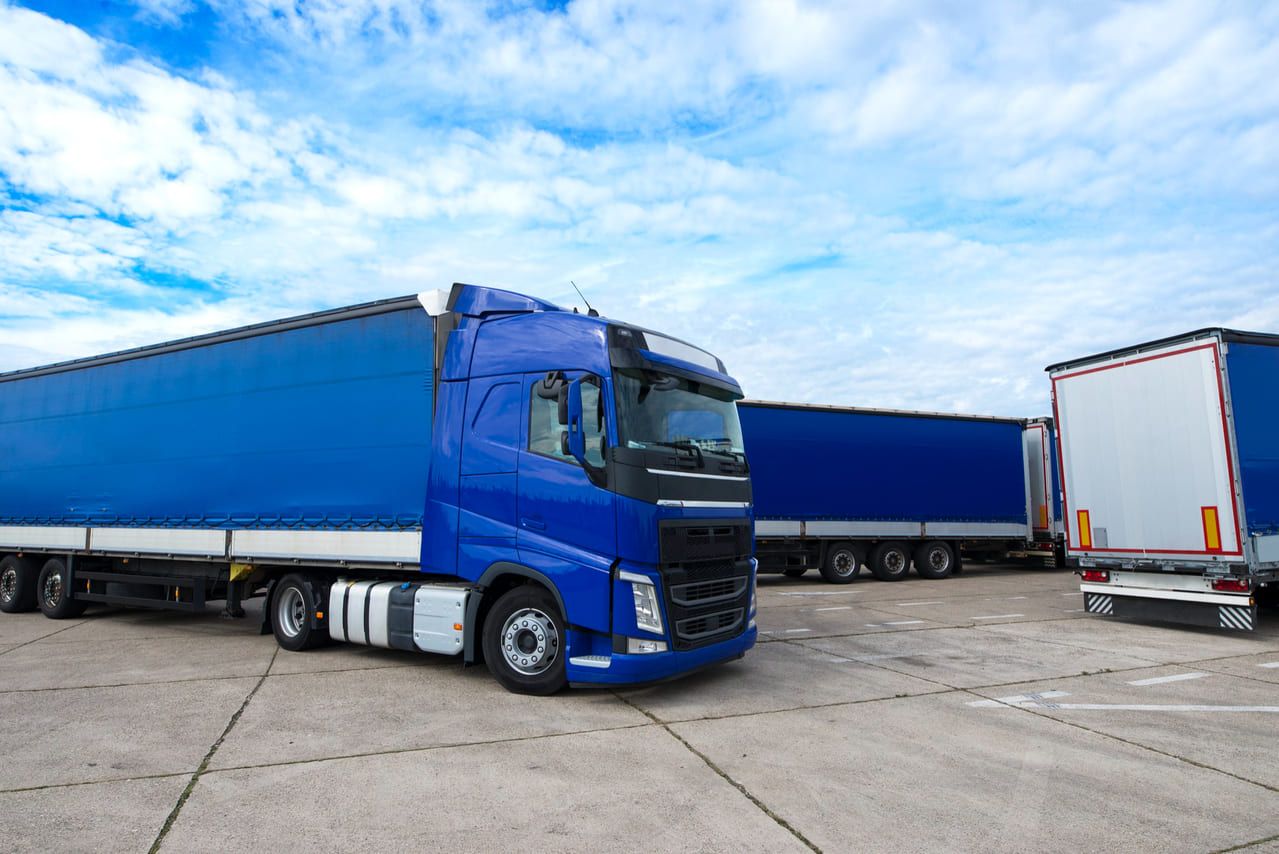
Typical Costs of Logistics Services in Nigeria
| Type of Service | Price Range | Key Factors Affecting Price |
| Courier Services (Intra-City) | ₦500 – ₦2,500 | Distance within the city, Package size and weight, Traffic conditions, Delivery speed (standard vs. express) |
| Interstate Deliveries | ₦3,000 – ₦20,000 | Distance between states, Type of vehicle (motorcycle, van, truck), Volume/weight of goods, Road conditions |
| Freight Shipping (Bulk Goods) | ₦50,000 – ₦500,000 | Volume and weight of cargo, Distance to be covered, Mode of transport (road, air, sea), Special handling (fragile, hazardous) |
| Specialized Services | ₦100,000 – ₦1,000,000+ | Type of goods (e.g., refrigerated, perishable), Distance, Vehicle type (e.g., refrigerated trucks), Special requirements (e.g., customs, security) |
| Warehousing | ₦50,000 – ₦200,000 per month | Location of the warehouse, Duration of storage, Size and nature of goods, Additional services (e.g., inventory management, security) |
How to Save on Logistics Costs in Nigeria
Compare Prices from Different Providers
One of the easiest ways to save on logistics is by comparing prices from multiple service providers. Platforms like VisCorner (https://viscorner.com/logistics/near-me) allow you to quickly compare rates from different companies to find the best deal.
Plan in Advance
Urgent or same-day deliveries usually cost more. If you can plan your shipments in advance, you may be able to take advantage of standard delivery options, which are typically more affordable.
Negotiate for Bulk Deliveries
If you frequently ship large volumes, try negotiating a bulk rate with logistics providers. Long-term relationships and regular shipments may give you leverage to secure better rates.
Optimize Packaging
Proper packaging can reduce the size and weight of your goods, which may lower your costs. Ensure that goods are packed securely but compactly to avoid paying extra for oversized or overweight shipments.
Choose Local Providers
Opting for local logistics companies with a good understanding of regional routes and traffic can sometimes offer better pricing compared to larger national or international providers.
The cost of hiring logistics companies in Nigeria depends on several factors, including the distance, type of goods, delivery speed, and time of year.
While prices can vary, understanding these factors and applying cost-saving strategies can help you manage your logistics needs efficiently without overspending.
If you’re looking for reliable logistics companies that offer quality services at competitive rates, visit VisCorner to find options that meet your needs.
By carefully evaluating the services and costs, you can ensure your logistics requirements are handled efficiently while keeping your expenses in check.